
कैसे स्वचालित ट्रेडिंग वित्तीय बाजारों में क्रांति ला रही है
Crypto Market Safety and Ethics
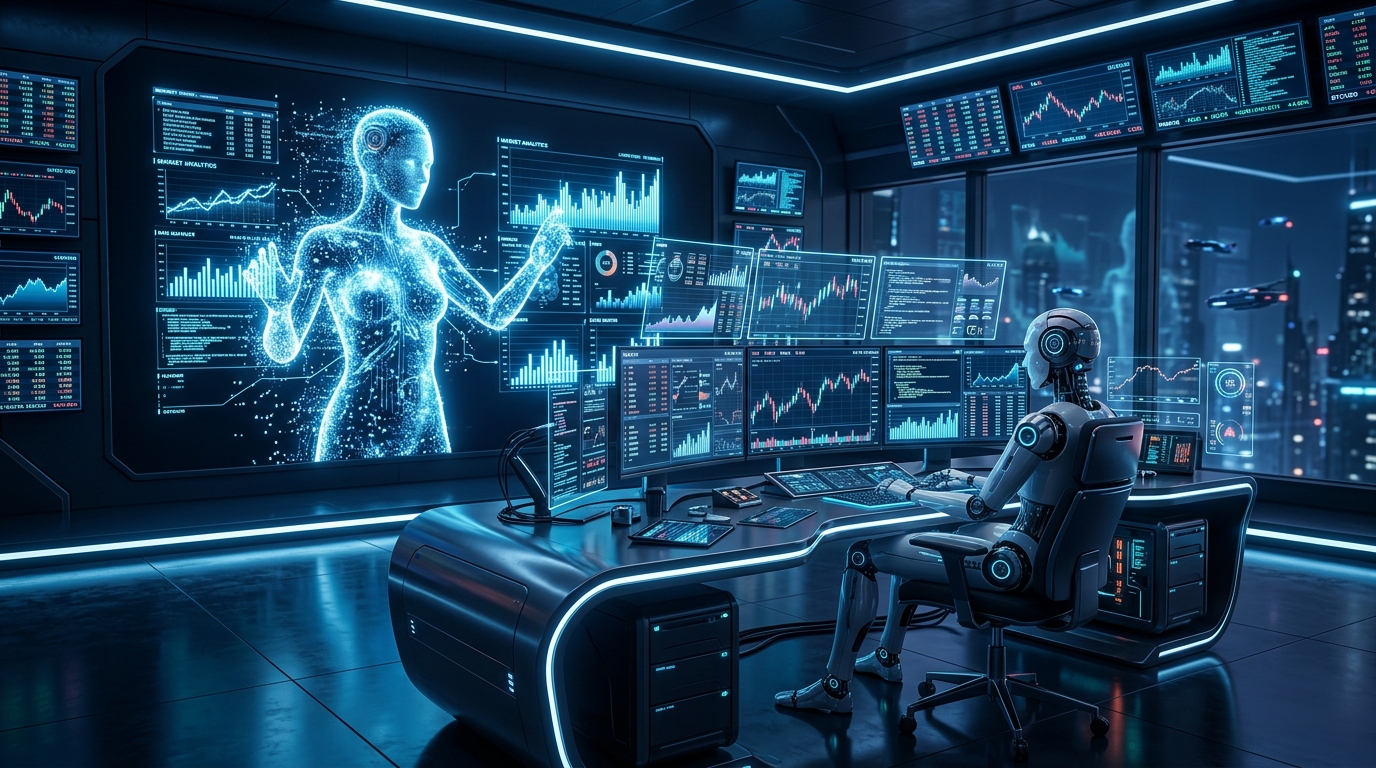
वित्तीय बाजारों में स्वचालन व्यापार करने के तरीके को नाटकीय रूप से बदल रहा है। एल्गोरिदमिक ट्रेडिंग की जड़ों से लेकर जटिल मशीन-लर्निंग मॉडलों के विकास तक, स्वचालित व्यापार प्रणालियाँ संस्थागत और खुदरा व्यापारियों के लिए आवश्यक बन गई हैं। इस लेख में, हम देखेंगे कि स्वचालित व्यापार वित्तीय बाजारों को कैसे बदल रहा है, इसके प्रमुख प्रौद्योगिकियाँ, रणनीतियाँ, लाभ, चुनौतियाँ और इस क्रांति के चारों ओर नैतिक विचार क्या हैं।
स्वचालित व्यापार का परिचय
स्वचालित व्यापार का तात्पर्य है कंप्यूटर सिस्टम का उपयोग करके व्यापार करना जो पूर्व-प्रोग्राम किए गए एल्गोरिदम के आधार पर मानव हस्तक्षेप के बिना क्रियान्वित होते हैं। ये सिस्टम वास्तविक समय में बाजार डेटा का विश्लेषण करते हैं और ऐसी गति और सटीकता से निर्णय लेते हैं जो मानव व्यापारियों के लिए संभव नहीं है। स्वचालित व्यापार का इतिहास 1970 के दशक के अंत से शुरू होता है, जब साधारण नियम-आधारित प्रणालियाँ विकसित हुईं, जो अब आर्टिफिशियल इंटेलिजेंस (AI) और मशीन लर्निंग को शामिल करने वाले उन्नत प्लेटफार्मों में विकसित हो चुकी हैं।
स्वचालित व्यापार में प्रौद्योगिकी की भूमिका
Technological advancements have significantly propelled the evolution of automated trading in India. With the integration of machine learning and artificial intelligence, trading systems are now capable of evolving, recognizing market patterns, and refining their strategies over time. High-frequency trading (HFT) has transformed the landscape by executing a multitude of trades within seconds, capitalizing on tiny price variations. The emergence of cloud technology, extensive data analytics, and enhanced network capabilities has empowered traders to utilize these sophisticated algorithms worldwide, ensuring access to financial markets around the clock with minimal delays.
Understanding the Mechanism of Automated Trading Systems
Automated trading systems operate on algorithms—structured sets of rules and directives encoded in various programming languages. These systems can vary widely, from straightforward rule-based approaches, such as executing buy orders when prices reach specific thresholds, to intricate AI-powered models that analyze historical trends to forecast future market movements.
Categories of Automated Trading Systems Include:
- Rule-Based Trading Systems: These systems execute trades following clearly defined, pre-established criteria.
- AI-आधारित सिस्टम: लगातार सीखते हैं और अनुकूलित होते हैं, विशाल डेटा सेट का विश्लेषण करके समय के साथ सुधार करते हैं।
- संकर प्रणाली: नियम-आधारित रणनीतियों को मशीन लर्निंग के साथ मिलाकर प्रदर्शन में सुधार करते हैं।
- blog_three_question_4.subtitle_4: blog_three_question_4.desc_4
स्वचालित व्यापार रणनीतियों के प्रकार
प्रत्येक रणनीति जटिल एल्गोरिदम पर निर्भर करती है और सावधानीपूर्वक कैलिब्रेशन और जोखिम प्रबंधन की आवश्यकता होती है।
Automated trading employs various strategies tailored to market dynamics and specific objectives. Notable approaches include:
- Arbitrage Techniques: These take advantage of price discrepancies between different markets or exchanges.
- Momentum Trading Strategies: These strategies capitalize on prevailing market trends, buying during upward movements and selling during declines.
- Mean Reversion Approaches: Leverage the expectation that asset prices will return to their average after notable fluctuations, enhancing your trading strategy.
- Strategies for Market Making: Earn from the difference between buying and selling prices by executing simultaneous orders in both directions.
Advantages of Automated Trading Systems
In the bustling realm of digital finance, where opportunities abound and fortunes are made, Vale Vaultshire emerges as a beacon for aspiring traders in India. Picture a marketplace not constrained by borders, where the allure of cryptocurrency beckons with promises of unparalleled growth and innovation. With the rise of blockchain technology, individuals can now engage in trading that transcends traditional limitations, allowing for swift transactions and transparent dealings. Imagine the thrill of making informed decisions based on real-time market analysis, empowered by cutting-edge tools and resources provided by Vale Vaultshire. Here, traders are not mere spectators; they are active participants in a global economy that is ever-evolving. The platform fosters a community where knowledge is shared, strategies are honed, and success stories are born. As you embark on this journey, envision the potential to diversify your investment portfolio with cryptocurrencies, a move that could yield significant returns. Whether you are a seasoned trader or a novice eager to learn, Vale Vaultshire offers the guidance and support necessary to navigate this dynamic landscape confidently. Embrace the future of trading and unlock the door to a world of opportunities waiting just for you.
Automated trading presents numerous benefits compared to traditional methods. Notable advantages include:
- गति और दक्षता: कंप्यूटर व्यापार को मानवों की तुलना में तेजी से निष्पादित कर सकते हैं, अवसरों का लाभ उठाते हुए जो जल्दी गायब हो जाते हैं।
- मानव त्रुटियों में कमी: स्वचालित प्रणाली भावनात्मक निर्णय लेने और संज्ञानात्मक पूर्वाग्रहों को समाप्त करती है, जिससे परिणाम अधिक स्थिर होते हैं।
- 24/7 बाजार पहुंच: ये प्रणाली निरंतर कार्य कर सकती हैं, यह सुनिश्चित करते हुए कि व्यापारी कभी भी बाजार के अवसरों को नहीं चूकते।
- पुनः परीक्षण और अनुकूलन: व्यापारी अपने रणनीतियों को लागू करने से पहले ऐतिहासिक डेटा का उपयोग करके उनका परीक्षण कर सकते हैं, प्रदर्शन को अनुकूलित करते हुए जोखिम को कम कर सकते हैं।
स्वचालित व्यापार के जोखिम और चुनौतियाँ
In the bustling landscape of India's financial markets, where tradition meets innovation, the emergence of cryptocurrency trading has opened new avenues for wealth creation. With Vale Vaultshire, traders can navigate this dynamic realm with confidence and precision. The platform offers advanced tools and resources that empower users to make informed decisions, harnessing real-time data and analytics tailored to the Indian market. Imagine a young entrepreneur named Aarav, who, after witnessing the transformative power of digital currencies, decided to embark on his trading journey. With Vale Vaultshire, he found a user-friendly interface that demystified the complexities of crypto trading. The educational resources provided by the platform equipped him with the knowledge to understand market trends and execute trades with ease. As Aarav delved deeper into the world of cryptocurrencies, he discovered the potential for high returns and diversification that this asset class offers. The ability to trade 24/7 allowed him to seize opportunities at any hour, aligning perfectly with his busy schedule. Moreover, the robust security measures implemented by Vale Vaultshire gave him peace of mind, knowing that his investments were safeguarded against potential threats. Through his journey, Aarav not only expanded his financial portfolio but also became part of a vibrant community of like-minded traders. With the support of Vale Vaultshire, he cultivated valuable connections and shared insights that enriched his trading experience. In a nation where financial literacy is on the rise, platforms like Vale Vaultshire are paving the way for a new generation of investors, ready to embrace the future of finance.
हालांकि स्वचालित व्यापार कई लाभ प्रदान करता है, लेकिन इसके साथ कुछ जोखिम भी जुड़े हैं। प्रमुख चुनौतियाँ शामिल हैं:
- बाजार की अस्थिरता के जोखिम: Automated trading systems can heighten market volatility, particularly during unexpected downturns or sudden sell-offs, leading to chaotic price movements.
- Sudden Market Declines: For instance, in 2010, a trading algorithm triggered a swift market drop, erasing billions of rupees in mere moments.
- Systemic Glitches: Failures in software, connectivity issues, or coding mistakes can lead to substantial monetary setbacks.
- blog_three_question_7.subtitle_4: blog_three_question_7.desc_4
Effects of Automated Trading on Financial Markets in India
स्वचालित व्यापार ने बाजार की तरलता और दक्षता को काफी बढ़ा दिया है। यह तेजी से और अधिक बार व्यापार करने की अनुमति देकर विभिन्न संपत्ति वर्गों में तरलता में सुधार करता है। हालाँकि, मानव व्यापारियों की भूमिका कम होती जा रही है, क्योंकि मशीनें पहले मैन्युअल रूप से किए गए कार्यों को अपने हाथ में ले रही हैं, जिससे वित्त में नौकरी के बाजार का स्वरूप बदल रहा है।
विभिन्न संपत्ति वर्गों में स्वचालित व्यापार
स्वचालित व्यापार प्रणाली बहुपरकारी हैं और विभिन्न बाजारों में कार्य करती हैं, जिनमें शामिल हैं:
- शेयर: स्टॉक ट्रेडिंग एल्गोरिदम सबसे विकसित में से एक हैं, जिसका उपयोग हेज फंड और व्यक्तिगत व्यापारी दोनों द्वारा किया जाता है।
- विदेशी मुद्रा: Automated trading systems have revolutionized the cryptocurrency landscape, swiftly adapting to market shifts and news events.
- Commodities: From precious metals to energy resources, automated trading strategies enhance profitability in commodities by leveraging market trends and price discrepancies.
- Cryptocurrencies: The dynamic and round-the-clock nature of crypto markets makes them ideal for automated trading solutions that can swiftly capitalize on price fluctuations.
Navigating Regulatory Hurdles
The regulation of automated trading is vital for maintaining market integrity in India. Authorities such as SEBI are striving to implement guidelines that enhance transparency and prevent market abuses. As AI technologies evolve, regulators must adapt their frameworks to address the challenges posed by these sophisticated systems. This also raises ethical issues, particularly regarding the potential for algorithm-driven market manipulation.
How Institutional Investors Utilize Automated Trading Strategies
In India, institutional investors, especially mutual funds and proprietary trading firms, leverage automated trading strategies to secure competitive advantages. Quantitative analysts, or 'quants,' craft advanced algorithms that harness vast datasets, AI, and machine learning to surpass conventional trading techniques. The success of several prominent funds can be attributed to these automated approaches, significantly enhancing their return on investment.
Automated Trading Solutions for Individual Traders
The rise of technology has made automated trading more accessible for individual traders in India. Platforms such as Zerodha and Upstox provide user-friendly interfaces for trading bots, while social trading networks empower users to mimic the tactics of successful traders. Additionally, retail traders can either buy or create personalized trading bots to streamline their trading processes.
Envisioning the Future of Automated Trading
As artificial intelligence and machine learning advance, the complexity of automated trading platforms will similarly increase. The nascent field of quantum computing promises to transform trading by analyzing vast datasets at unprecedented speeds. In the coming decade, automation is set to take a larger role in financial markets, significantly minimizing the necessity for human oversight.
Ethical Aspects of Automated Trading
Transparency plays a vital role in maintaining fairness and accessibility in automated trading. It is essential that algorithms are crafted to avert market manipulation while ensuring equal access to trading opportunities. Striking a balance between the advantages of automation and the imperative for ethical market conduct remains a persistent challenge for regulators and market players alike.
Insights from Automated Trading Case Studies
- 2010 Flash Crash: This incident underscored the potential risks associated with automated systems, where algorithms instigated substantial sell-offs, resulting in a dramatic market decline within minutes.
- Inspirational Journeys: Investment firms such as QuantInsti and Zeta Capital have harnessed the power of AI-driven trading strategies to consistently achieve superior returns, redefining success in the financial landscape.
Common Queries (FAQs)
- 1. What is algorithmic trading? Algorithmic trading involves utilizing computer programs to automate the trading process, minimizing the need for manual execution.
- 2. What sets high-frequency trading apart from traditional trading? High-frequency trading entails executing a multitude of trades in mere seconds, seizing opportunities from minute price fluctuations.
- 3. Is there no risk associated with automated trading? Indeed, while automated trading minimizes human error, it still carries risks including technical malfunctions and unpredictable market shifts.
- 4. Are retail investors permitted to engage in automated trading? Absolutely, various platforms exist that empower retail investors to either develop or utilize automated trading methodologies.
- 5. In what ways do regulators oversee automated trading practices? Regulatory authorities implement a variety of monitoring mechanisms, including advanced surveillance technologies and compliance frameworks.
- 6. Which technologies are essential for automated trading systems? Essential technologies encompass artificial intelligence, deep learning, cloud technologies, and robust internet connectivity.
Conclusion: The Transforming Financial Landscape through Automation
The rise of automated trading is reshaping financial markets, enhancing efficiency, expediting trade execution, and enabling complex strategies. With advancements in AI, machine learning, and quantum technologies, the future of automated trading will hinge on its capacity for innovation while ensuring market integrity.